Business Sandesh Indian Newspaper | Articles | Opinion Pieces | Research Studies | Findings & News | Sandesh News
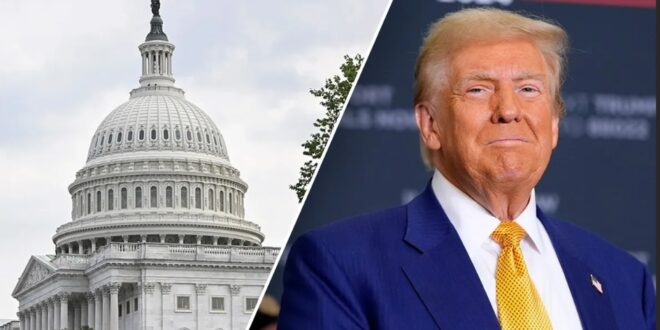
U.S. lawmakers have initiated scrutiny into World Liberty Financial (WLFI), a cryptocurrency venture linked to former President Donald Trump and his family, following reports of a $500 million investment granting a UAE-backed entity a 49% stake. The deal, first detailed by The Wall Street Journal in early February 2026, was signed days before Trump’s January 2025 inauguration, with documents showing $187 million flowing to Trump-affiliated entities and $31 million to those tied to co-founder Steve Witkoff, Trump’s Middle East envoy.
The investor is Aryam Investment 1, backed by Sheikh Tahnoon bin Zayed Al Nahyan, UAE national security adviser and a key royal family member often called the “spy sheikh.” WLFI confirmed the transaction but stated Trump had no involvement and holds no current role. Trump himself denied knowledge, saying his sons handle it.
House investigators, including Rep. Ro Khanna (D-CA), have requested ownership records, payment trails, and documents related to WLFI’s USD1 stablecoin—used in a $2 billion Binance share purchase—citing potential national security risks. Democrats, including Sen. Chris Murphy (D-CT) and Rep. Gregory Meeks (D-NY), have raised alarms over foreign influence, conflicts of interest, and possible links to the Trump administration’s later approval of UAE access to advanced U.S. AI chips (e.g., Nvidia), overriding prior restrictions due to concerns about technology transfer to China.
Critics label it “corruption, plain and simple,” arguing the timing and scale suggest leverage or quid pro quo, especially amid broader ethics debates on crypto legislation.
Defenders portray it as legitimate foreign capital in global finance, with WLFI operating independently under U.S. law. A company spokesperson called claims tying it to policy decisions “100% false.”
The probe tests oversight of politically connected firms amid heightened sensitivity to foreign stakes. As inquiries deepen, outcomes could influence regulations on cross-border investments in U.S. ventures tied to public officials, potentially spurring calls for stronger disclosure or ethics safeguards.