Business Sandesh Indian Newspaper | Articles | Opinion Pieces | Research Studies | Findings & News | Sandesh News
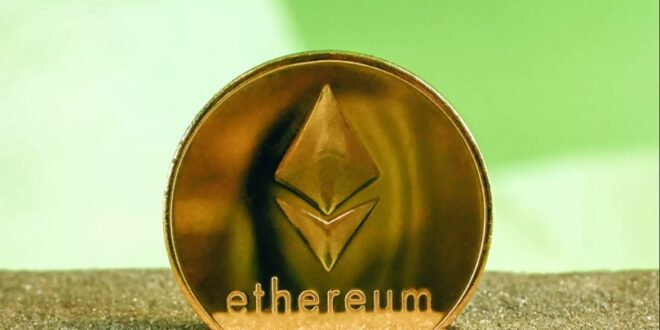
Ethereum’s mainnet has set a new all-time high in daily transaction volume amid remarkably low costs, underscoring the success of recent scaling upgrades and widespread Layer-2 adoption. On January 16, 2026, the network processed a record **2,885,524** transactions—the highest single-day count in its history—surpassing previous peaks from 2021 and late 2025, according to Etherscan and reports from CoinDesk, The Block, and other analytics sources. The seven-day moving average has approached **2.5 million**, nearly double the level from a year ago, with activity surging since mid-December 2025.
Despite this heightened demand, average gas fees have collapsed to multi-year—and in some cases modern-era—lows. The Block data shows average transaction costs around **$0.15**, while Etherscan estimates common operations like token swaps at **$0.03–$0.04** or even below **$0.01** in recent snapshots (with gas prices as low as **0.036–0.059 Gwei** as of January 19, 2026). This marks the lowest fees in Ethereum’s recent history, a stark contrast to spikes exceeding **$50** during past congestion events.
Key drivers include the **Fusaka upgrade** (December 2025), which doubled the block gas limit from 45 million to **60 million** and expanded blob capacity via PeerDAS, alongside massive Layer-2 migration. These improvements have shifted bulk execution off the mainnet while preserving security and verifiability, easing congestion and enabling high throughput without prohibitive costs.
Stablecoin transfers now account for **35–40%** of activity, per Standard Chartered, fueling DeFi, payments, and tokenized assets. Increased staking (with entry queues surging and exits at zero) and institutional interest further bolster momentum, with analysts dubbing 2026 “the year of Ethereum.”
The combination of record usage and near-zero fees highlights Ethereum’s maturation: scalability enhancements are attracting retail and institutional users alike, making the network more accessible for dApps, NFTs, gaming, and beyond. While mainnet fees remain subdued, ongoing optimizations and potential future gas limit increases (discussions around **75–80 million**) suggest sustained efficiency ahead.
As adoption accelerates, this milestone reinforces Ethereum’s dominance in smart contracts and decentralized infrastructure, despite short-term price volatility.