Business Sandesh Indian Newspaper | Articles | Opinion Pieces | Research Studies | Findings & News | Sandesh News
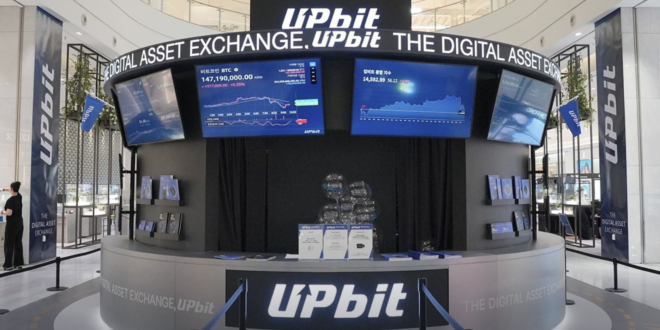
South Korea’s premier cryptocurrency exchange, Upbit, has escalated its security protocol to an unprecedented level, announcing on December 10, 2025, that it will store 99% of customer assets in cold wallets—slashing hot wallet exposure to near zero. This aggressive pivot follows a November 27, 2025, breach where hackers exploited a vulnerability in Upbit’s Solana hot wallet, siphoning 44.5 billion KRW (~$30-31 million) in ecosystem tokens, primarily meme coins like Bonk (91% of haul), alongside smaller amounts of Pudgy Penguins and Official Trump assets.
The Breach Unraveled
The attack unfolded in a mere 54 minutes, with intruders transferring 104.0647 billion Solana-based coins to unknown external wallets—equating to ~$9,296 per second in losses. Upbit’s emergency audit revealed a critical flaw in its wallet software: predictable signature data from on-chain transactions allowed attackers to mathematically derive private keys, exposing admin accounts. CEO Oh Kyung-seok admitted “inadequate security management” with “no excuse,” confirming the theft stemmed from internal lapses rather than external server hacks. Early probes point to North Korea’s Lazarus Group—echoing their 2019 Upbit heist of 342,000 ETH on the same date—via asset mixing and exchange-hopping tactics. Upbit froze $1.77 million mid-theft using its Automatic Tracking Service, but the rest appears lost.
Cold Storage: A Fortress Upgrade
Pre-hack, Upbit already maintained a robust 98.33% cold storage ratio—the lowest hot wallet share among Korean peers (rivals at 82-90%)—exceeding the 80% regulatory minimum. Now, post-overhaul, the exchange will minimize online funds to under 1%, aligning with “fortress” models of global leaders like Coinbase (95-98%). Offline cold wallets, secured via multi-signature hardware and air-gapped systems, drastically curb cyber risks, though they may introduce minor withdrawal delays during peak volatility. Upbit completed a full infrastructure review, patching the key-derivation bug and reimbursing all $26 million in customer losses from its reserves—no user funds were directly compromised beyond the hot wallet slice.
User and Market Ripples
1. **Access Hiccups:** Withdrawals remain paused for final checks, potentially extending arbitrage disruptions between Korean and global markets.
2. **Trust Rebuild:** Swift reimbursement and transparency could restore confidence, setting a benchmark that pressures competitors to disclose ratios.
3. **Regulatory Heat:** South Korean police and the Financial Services Commission (FSC) launched probes amid merger timing suspicions (Dunamu-Naver deal announcement day), highlighting systemic oversight gaps.
Essential Lessons
Enable 2FA, hardware wallets, and transaction alerts—exchanges aren’t infallible. This incident, timed suspiciously on Lazarus’ anniversary, underscores persistent nation-state threats in crypto.
Upbit’s 99% cold storage mandate transforms a $30M setback into a security gold standard, prioritizing asset fortification over liquidity convenience. As Korean regulators tighten scrutiny, it signals a maturing industry: proactive defenses over reactive fixes. For traders, it’s a cue to diversify custodians—cold storage isn’t just best practice; it’s survival in an era of sophisticated hacks.