Business Sandesh Indian Newspaper | Articles | Opinion Pieces | Research Studies | Findings & News | Sandesh News
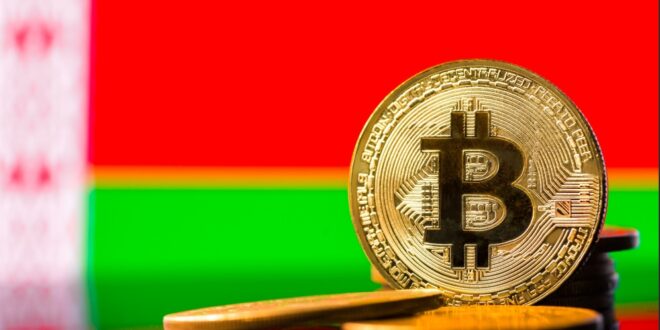
In a daring bid for financial sovereignty, Belarus is ramping up cryptocurrency mining initiatives, harnessing surplus nuclear energy to mine Bitcoin and challenge the U.S. dollar’s grip on global trade. President Alexander Lukashenko’s recent directives underscore this strategy, positioning digital assets as a lifeline amid escalating Western sanctions.
Sanctioned for supporting Russia’s Ukraine invasion, Belarus faces restricted access to international banking. Lukashenko, speaking at a nuclear energy summit, highlighted crypto’s role in de-dollarization: “The world is moving away from one currency’s dominance—cryptocurrencies offer a path forward, despite volatility.” He ordered energy officials to prioritize mining, leveraging the Belarusian Nuclear Power Plant’s excess output for profitable operations or investor hosting.
This builds on 2017’s crypto-legalizing decree, extended tax exemptions through 2025, and September’s push for banks to integrate digital payments. Low electricity costs—Europe’s cheapest—make Belarus ideal for mining, echoing El Salvador’s geothermal model and Bhutan’s hydropower success.
Strategic Gains Amid Risks
| Benefit | Impact |
| Revenue Boost | Mining profits, hosting fees |
| Energy Utilization | Monetizes surplus power |
| Sanction Evasion | Enables borderless trade |
| Innovation Hub | Draws blockchain firms via Hi-Tech Park |
Yet challenges loom: EU sanctions now target crypto wallets and services linked to Belarus, heightening compliance hurdles. Market swings, cyber threats, and environmental backlash from energy-intensive mining persist. Reliance on allies like Russia and China adds geopolitical fragility.
Globally, Belarus’s pivot could inspire sanctioned nations—Iran, Venezuela—toward crypto reserves, accelerating multipolar finance. As U.S. explores its own Bitcoin stockpile, Lukashenko’s gamble signals a seismic shift: from dollar hegemony to decentralized defiance.