Business Sandesh Indian Newspaper | Articles | Opinion Pieces | Research Studies | Findings & News | Sandesh News
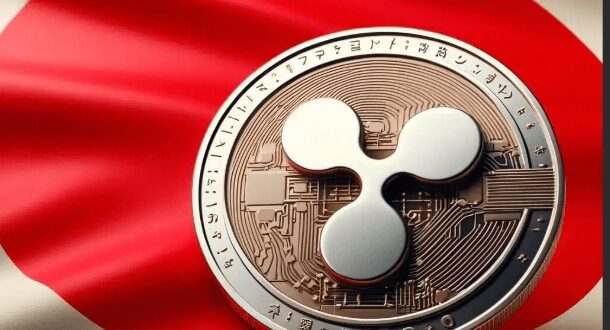
XRP is thriving in Japan and South Korea, emerging as a top cryptocurrency despite regulatory challenges in the U.S. as of August 8, 2025. The favorable regulatory environments and active crypto communities in these Asian markets are driving XRP’s adoption, showcasing its potential as a global payment solution.
In Japan, Ripple’s partnership with SBI Holdings, established through SBI Ripple Asia in 2016, has solidified XRP’s prominence. Japanese exchanges rank XRP among the most traded assets, fueled by its fast, low-cost transactions ideal for cross-border payments. SBI’s integration of XRP into financial services, including plans for XRP Ledger-powered NFTs at World Expo 2025 in Osaka, underscores Japan’s commitment to blockchain innovation. Ripple’s Japan and Korea Fund, launched in 2024, further supports local projects, boosting XRP’s ecosystem.
South Korea mirrors this enthusiasm, with XRP dominating trading volumes on exchanges like Upbit and Bithumb. Recent posts on X reported XRP surpassing Bitcoin and Ethereum, with over $500 million in 24-hour trading volume on Upbit in July 2025. South Korea’s BDACS adopting Ripple Custody for XRP storage enhances its institutional credibility, aligning with the country’s rising crypto adoption.
Conversely, in the U.S., Ripple Labs’ legal battle with the SEC, resolved on August 7, 2025, with both parties dismissing appeals, had created uncertainty. The SEC’s $2 billion penalty demand was dropped, affirming XRP’s non-security status for programmatic sales, boosting its price to around $3.
Japan and South Korea’s embrace of XRP highlights a global divide in crypto adoption. As Asia advances blockchain integration, XRP’s success in these markets could pave the way for broader global acceptance, despite past U.S. regulatory hurdles.