Business Sandesh Indian Newspaper | Articles | Opinion Pieces | Research Studies | Findings & News | Sandesh News
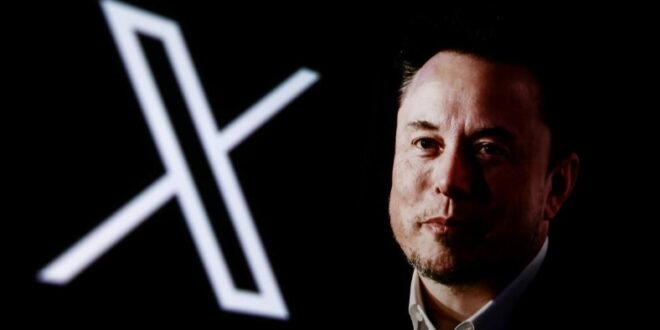
A new European social media platform called W (often stylized as “W Social”) has emerged as a proposed alternative to Elon Musk’s X, unveiled in January 2026 at the World Economic Forum in Davos and gaining attention into February. Developed by a privately owned Swedish startup, W Social AB, it positions itself as a community-oriented network emphasizing transparency, user verification, privacy, and reduced disinformation—appealing to Europeans wary of U.S.-based platforms amid ongoing regulatory tensions.
Led by CEO Anna Zeiter, a German-Swiss tech executive with prior experience at eBay and privacy-focused roles, W stands for “We,” with its double-V design symbolizing “Values” and “Verified.” The platform requires photo identification and human verification to curb bots, fake accounts, and impersonation, while hosting data on European servers owned by EU-based companies to comply fully with GDPR and the Digital Services Act (DSA). It promises user data will not be aggressively monetized, prioritizing authentic interactions over opaque algorithms, with customizable feeds and plans for creator tools and fairer monetization.
Backed by private Nordic investors—including a significant stake from the climate-focused media platform “We Don’t Have Time”—W is not an EU-government initiative, despite viral misinformation claiming otherwise. Fact-checks from outlets like Euronews confirm the European Commission neither funds nor operates the project; it’s a commercial startup limiting investors to Europeans.
Early features target short-form posts, enhanced moderation via trusted sources, and a focus on fighting “systemic disinformation.” A beta version reportedly targeted limited testers in February 2026, with broader public rollout eyed by year-end.
Analysts view W as part of Europe’s push for digital sovereignty amid intensifying scrutiny of big tech, including fines and probes against X. However, breaking network effects remains challenging—precedents like Mastodon and Bluesky show difficulty sustaining user growth beyond initial surges. Success will hinge on delivering a compelling, trustworthy experience and attracting critical mass without alienating users through strict verification.
For now, W represents Europe’s latest bid to foster a homegrown rival to X, with its progress under close watch by regulators, privacy advocates, and users seeking alternatives.