Business Sandesh Indian Newspaper | Articles | Opinion Pieces | Research Studies | Findings & News | Sandesh News
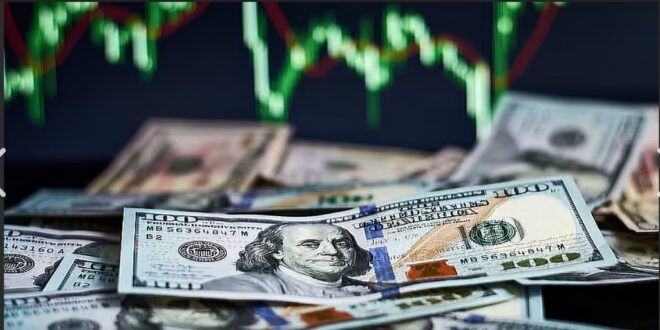
The U.S. dollar’s portion of global foreign exchange reserves has continued its gradual decline, reaching **56.92%** in Q3 2025 according to the International Monetary Fund’s latest Currency Composition of Official Foreign Exchange Reserves (COFER) data, released December 2025. This marks a slight drop from 57.08% in Q2 and the lowest level since the mid-1990s in reported allocated reserves, amid total reserves rising to approximately $13.0 trillion.
The dollar has held below 60% for multiple quarters, reflecting ongoing diversification by central banks rather than a sudden break from decades-long dominance (it hovered around 60-65% historically but trended lower since the 2010s).
Key drivers include:
– Geopolitical tensions and sanctions prompting reduced reliance on USD assets.
– Active diversification to hedge risks.
– Modest gains for the euro (second-largest), Chinese yuan (especially in Asia), Japanese yen, and British pound.
– Exchange-rate fluctuations contributing significantly to recent dips, rather than outright sales of dollar holdings.
Market implications remain measured:
– Potential for increased forex volatility if diversification accelerates.
– Gradual shifts in trade invoicing toward non-dollar currencies in some regions.
– Impacts on global capital flows and U.S. borrowing costs over the long term, though the dollar’s network effects (deep markets, liquidity) sustain its lead.
Experts view this as evolutionary, not revolutionary—the dollar far outpaces rivals, but the trend signals a slowly multipolar reserve system. Central banks’ strategies emphasize resilience amid uncertainty.
This development underscores the need for investors and policymakers to monitor currency composition shifts, though dramatic near-term market disruptions are unlikely given the dollar’s entrenched role.