Business Sandesh Indian Newspaper | Articles | Opinion Pieces | Research Studies | Findings & News | Sandesh News
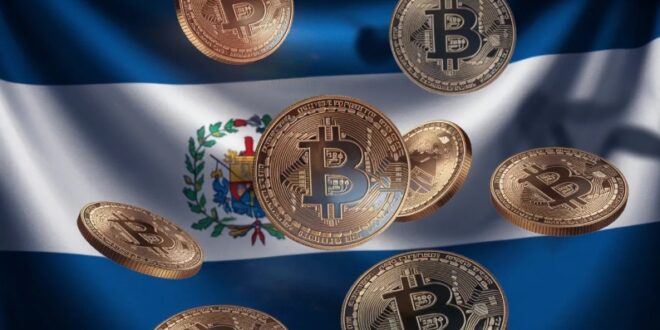
El Salvador, the first country to adopt Bitcoin as legal tender in 2021, has passed the Investment Banking Law on August 7, 2025, aiming to attract institutional investors and bolster its crypto hub status. This legislation allows investment banks with at least $50 million in capital to hold Bitcoin and offer digital asset services to “sophisticated investors” with over $250,000 in liquid assets, signaling a shift from retail to institutional focus.
The law establishes a clear regulatory framework, enabling licensed banks to issue tokens, manage Bitcoin-based portfolios, and structure crypto-linked financial products. Supported by the Ministry of Economy, it aims to position El Salvador as a regional crypto finance hub, drawing global capital from hedge funds and corporations. Analysts suggest this could drive significant institutional demand, with some predicting Bitcoin’s price could climb to $130,000 if the law sparks broader adoption.
Bitcoin is currently trading at $118,654, up 1.34% in 24 hours, with trading volume rising 5.5%, reflecting positive market sentiment. However, El Salvador’s earlier retail adoption efforts saw limited success, with only 1% of remittances using crypto and low public uptake, partly due to a $1.4 billion IMF loan agreement restricting public-sector Bitcoin purchases.
While the law fuels optimism, global economic factors like interest rate hikes and regulatory pressures in other regions could temper Bitcoin’s trajectory. Critics argue the benefits may favor large institutions over average citizens.
Will El Salvador’s bold move ignite a Bitcoin bull run, or will macroeconomic challenges curb its impact? As institutional interest grows, the crypto market watches closely for the next big move.