Business Sandesh Indian Newspaper | Articles | Opinion Pieces | Research Studies | Findings & News | Sandesh News
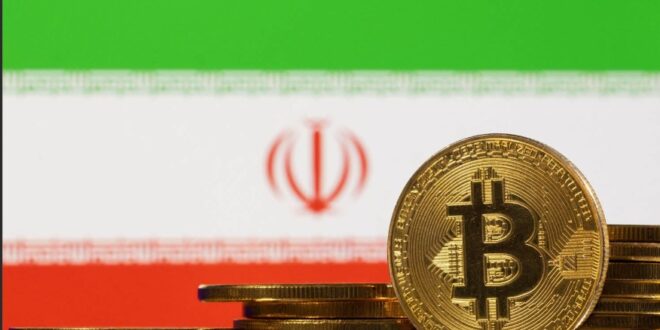
Iran’s state-run Ministry of Defence Export Center (Mindex) has begun allowing foreign buyers to settle contracts for advanced military hardware using cryptocurrency, alongside barter arrangements and Iranian rials. This policy, introduced in 2025, marks one of the first publicly known instances of a nation-state openly accepting digital currencies for strategic arms sales.
According to a January 1, 2026, Financial Times report, Mindex’s online portal lists “digital currencies” as a payment option for items including Emad ballistic missiles, Shahed drones, Shahid Soleimani-class warships, short-range air defense systems, rockets, and anti-ship cruise missiles. The agency claims ties to clients in 35 countries and reassures buyers that sanctions will not impede contract execution or delivery. The site, hosted on a sanctioned Iranian cloud provider, offers in-person inspections subject to security approval.
Motivation: Sanctions Evasion
Longstanding U.S., EU, and UN sanctions have restricted Iran’s access to global banking, prompting reliance on alternative channels. Crypto enables borderless transfers outside traditional systems, building on Iran’s prior use of digital assets for oil sales and shadow banking—networks sanctioned by the U.S. Treasury in 2025 for facilitating over $100 million in transactions.
Broader Context
Iran ranked 18th in global arms exports in 2024 (SIPRI data), filling gaps left by reduced Russian supplies amid the Ukraine war. Domestic crypto adoption is robust, with ~5 million active traders and rising volumes despite risks like the 2025 Nobitex hack.
**Risks and Implications**
– **Volatility and Traceability**: Price swings and blockchain transparency could complicate deals.
– **Geopolitical Concerns**: Experts warn of heightened scrutiny, potential secondary sanctions on intermediaries, and escalation in arms proliferation.
– **Regulatory Response**: Western authorities are intensifying enforcement against crypto-linked evasion.
This development highlights crypto’s dual role in empowering sanctioned states while challenging global financial controls and security frameworks.