Business Sandesh Indian Newspaper | Articles | Opinion Pieces | Research Studies | Findings & News | Sandesh News
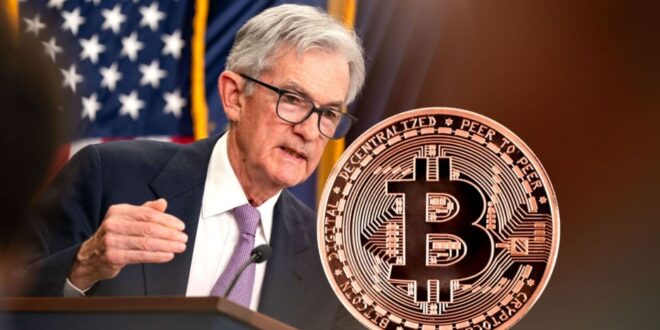
Bitcoin is currently trading around **$70,000–$71,000** as of March 19, 2026, following a post-FOMC dip after holding near $73,000–$74,000 in the lead-up to the Federal Open Market Committee meeting on March 17–18.
The FOMC, chaired by Jerome Powell, concluded its March meeting on March 18, 2026, deciding to **hold interest rates steady** in the 3.50%–3.75% range (an 11-1 vote, with one dissenter favoring a cut). This outcome aligned with market expectations amid persistent inflation concerns, mixed labor data, and geopolitical factors like the escalating Iran conflict impacting energy prices and economic outlook.
Powell’s post-meeting press conference emphasized a cautious stance, highlighting “uncertain” inflation risks and the need to monitor developments closely. The Fed’s updated projections maintained expectations for just **one 25-basis-point rate cut** in 2026 (likely later in the year), signaling a “higher for longer” policy environment.
**Bitcoin’s Reaction**: BTC approached $74,000–$75,000 ahead of the decision amid an eight-day winning streak, but faced “sell-the-news” pressure post-announcement, dropping several thousand dollars before stabilizing in the low $70,000s. This reflects crypto’s sensitivity to Fed signals—hawkish tones (no immediate easing) can weigh on risk assets like Bitcoin by curbing liquidity expectations, while dovish hints often spark rallies.
**Market Context**: Institutional support provides a floor, but traders remain cautious with reduced exposure pre-event. Key technical levels include support around $69,000–$71,000 and resistance near $74,000–$75,000. A breakout above resistance could target higher levels if macro conditions improve; otherwise, short-term corrections remain possible.
Overall, Bitcoin demonstrated resilience pre-FOMC but corrected modestly afterward, underscoring the event’s influence on risk-on sentiment. With the next FOMC set for April 28–29, 2026, attention shifts to incoming data on inflation, employment, and global risks that could shape future policy and crypto trajectories.