Business Sandesh Indian Newspaper | Articles | Opinion Pieces | Research Studies | Findings & News | Sandesh News
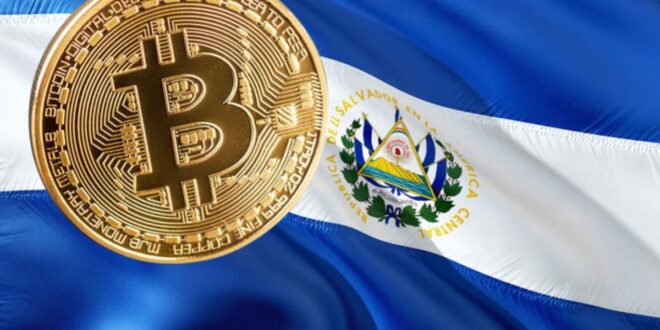
Bolivia and El Salvador have signed a landmark Memorandum of Understanding (MoU) on July 16, 2025, to advance cryptocurrency adoption and blockchain infrastructure, marking a pivotal step for Latin America’s digital economy. The agreement, formalized by Bolivia’s Central Bank (BCB) and El Salvador’s National Commission of Digital Assets (CNAD), fosters collaboration on regulatory frameworks, blockchain intelligence, and risk analysis, aiming to create a secure, inclusive digital asset ecosystem.
The partnership leverages El Salvador’s pioneering experience as the first nation to adopt Bitcoin as legal tender in 2021, despite its January 2025 reversal due to a $1.4 billion IMF loan deal. Bolivia, facing a currency crisis with reserves dropping to $165 million by April 2025, saw crypto transaction volumes surge from $46.5 million to $294 million between June 2024 and June 2025 after legalizing digital assets via Decree No. 082/2024.
Key goals include promoting financial inclusion, developing cross-border payment systems, and supporting fintech startups. Bolivia’s state-owned oil company, YPFB, now accepts crypto for fuel imports, while locals increasingly use Bitcoin and USDT for daily transactions. The open-ended MoU, signed by BCB’s Edwin Rojas Ulo and CNAD’s Juan Carlos Reyes García, ensures long-term cooperation adaptable to market changes.
This alliance positions both nations as leaders in Latin America’s crypto movement, potentially inspiring neighbors exploring Central Bank Digital Currencies (CBDCs). With $600,000 daily USDT transactions in Bolivia and El Salvador holding 6,253 BTC, the partnership could attract global investment, modernizing financial systems and boosting regional innovation.