Business Sandesh Indian Newspaper | Articles | Opinion Pieces | Research Studies | Findings & News | Sandesh News
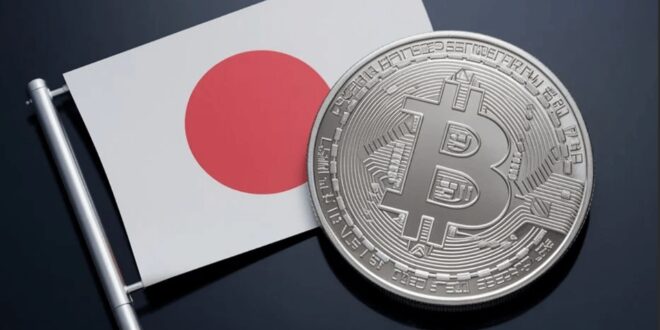
Japan’s Financial Services Agency (FSA) is advancing plans for stricter oversight of cryptocurrency custodians and trading service providers, requiring mandatory registration before they can serve exchanges. Announced discussions on November 7, 2025, follow the 2024 DMM Bitcoin hack, where ¥48.2 billion ($312 million) in BTC was stolen due to vulnerabilities in outsourced systems managed by Ginco.
Why Stricter Crypto Custodian Rules in Japan?
The proposal addresses gaps in current regulations under the Payment Services Act, where third-party providers handling user assets escape direct FSA scrutiny. Key drivers include:
– Investor Protection: Preventing fraud, theft, and mismanagement by ensuring custodians meet exchange-level security standards.
– Enhanced Transparency: Registered providers must disclose operations, finances, and risk controls.
– Post-Hack Response: The DMM incident highlighted risks from unregulated outsourcing, prompting calls for accountability.
A working group under the Financial System Council, advising the Prime Minister, largely supported the changes.
Expected Changes for Crypto Firms
– Mandatory Registration: Custodians and trading management services must notify and register with the FSA.
– Exchange Restrictions: Platforms can only use approved, registered providers—effectively creating a government whitelist.
– Stricter Standards: Enhanced audits, on-site inspections, capital requirements, and internal controls.
– Timeline: FSA to compile a report soon, with amendments to the Financial Instruments and Exchange Act submitted in the 2026 Diet session.
Market Implications and Global Alignment
While compliance costs may rise for providers, the rules are poised to build investor confidence, attracting institutional capital amid Japan’s stablecoin push (e.g., JPYC approval and multi-bank pilots). International firms eyeing Japan must adapt strategies. This aligns Japan with tightening regimes in the US (SEC custody rules) and EU (MiCA), positioning it as a secure Asia-Pacific crypto hub.
Japan’s FSA is closing regulatory loopholes to foster a safer crypto ecosystem, balancing innovation with robust protection. As amendments loom for 2026, these measures could deter risks while elevating Japan’s global standing in digital assets—watch for official proposals in coming months.